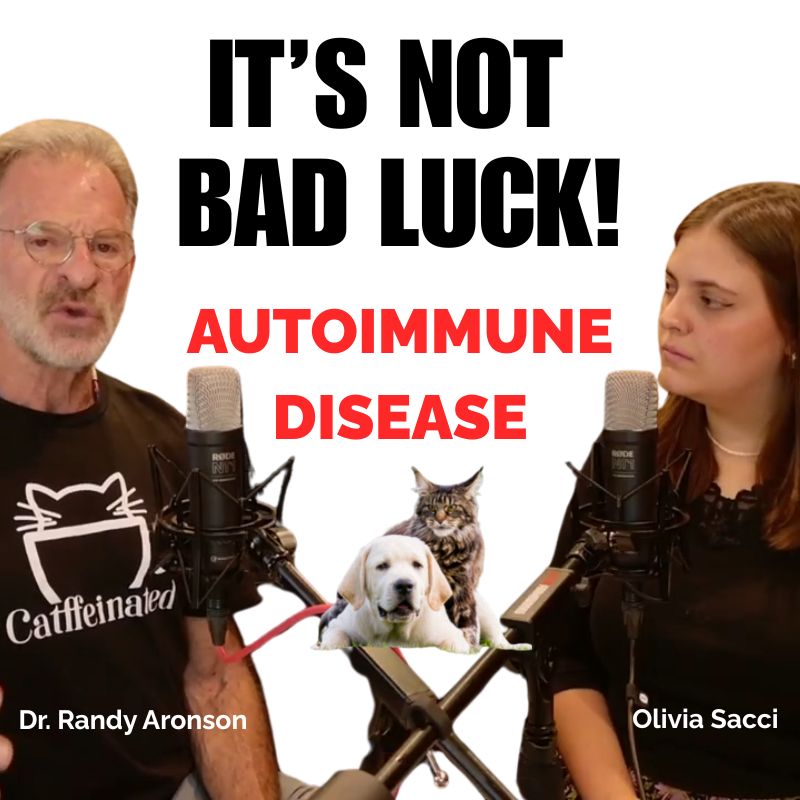
Discover why moving away from high-carbohydrate, processed foods to a biologically appropriate, high-meat diet is the most powerful tool for prevention and treatment. We discuss the hidden costs of traditional treatments, like steroids and antibiotics, versus the long-term benefits of a holistic, anti-inflammatory approach. Empower yourself to make proactive choices for your pet’s wellness and long-term health.
– 90% of senior dogs show signs of chronic inflammation.
– 75% of cats over age 10 develop inflammatory conditions.
– Chronic inflammation can lead to serious health issues like Cushing’s disease.
– Early detection can prevent 60% of chronic conditions caused by inflammation.
– Diet plays a bigger role than most people think in managing inflammation.
– High meat diets are biologically appropriate for pets.
– Kibble is often highly processed and can be inflammatory.
– Holistic approaches can be more cost-effective than traditional treatments.

This episode emphasize the importance of early detection, proper dental hygiene, and veterinary intervention. We also address common myths surrounding dental care, the role of inflammation, and preventive measures that pet owners can take to ensure their pets maintain healthy teeth and gums.
– Dental care is just as important as diet and exercise.
– Periodontal disease is the most common dental issue in pets.
– Inflammation is a key factor in dental disease progression.
– Brushing pets’ teeth is the most effective preventive measure.
– Gentle dentistry often fails to address underlying issues.
– Anesthesia is necessary for thorough dental cleanings.
Chapters
00:00 Introduction to Pet Dental Health
02:20 Common Dental Issues in Dogs and Cats
05:09 Understanding Periodontal Disease
07:53 Retained Baby Teeth and Fractured Teeth
10:11 Unique Challenges in Feline Dental Health
12:53 Stomatitis: Causes and Treatments
15:33 Prevention and Management of Dental Issues
18:24 The Importance of Anesthesia in Dental Procedures
20:59 Debunking Dental Myths
24:29 Conclusion and Final Thoughts

In this episode of ‘Paws, Reflect and Heal’, Dr. Randy Aronson addresses various pet care topics, including the pros and cons of pet insurance, strategies for managing pets’ anxiety during fireworks, common mistakes pet owners make, how to address stress-related issues in pets, and the dangers of rattlesnake bites. The conversation provides valuable insights and practical advice for pet owners to ensure the well-being of their furry companions.
Main Takeaways
– Pet insurance can provide financial protection against unexpected vet bills.
– Microchipping pets is essential for their safety.
– Desensitization training can help pets cope with noise phobia.
– Socialization is important for puppies to prevent behavioral issues.
– Indoor cats require mental stimulation to stay healthy and happy.
– Stress in the home can lead to gastrointestinal issues in pets.
– Rattlesnake avoidance training can significantly reduce the risk of bites.
Chapters
00:00 Understanding Pet Insurance: Pros and Cons
05:43 Managing Fireworks Anxiety in Pets
12:18 Common Mistakes Pet Owners Make
19:09 Addressing Stress-Related Issues in Pets
26:20 Rattlesnake Bites: Prevention and Treatment
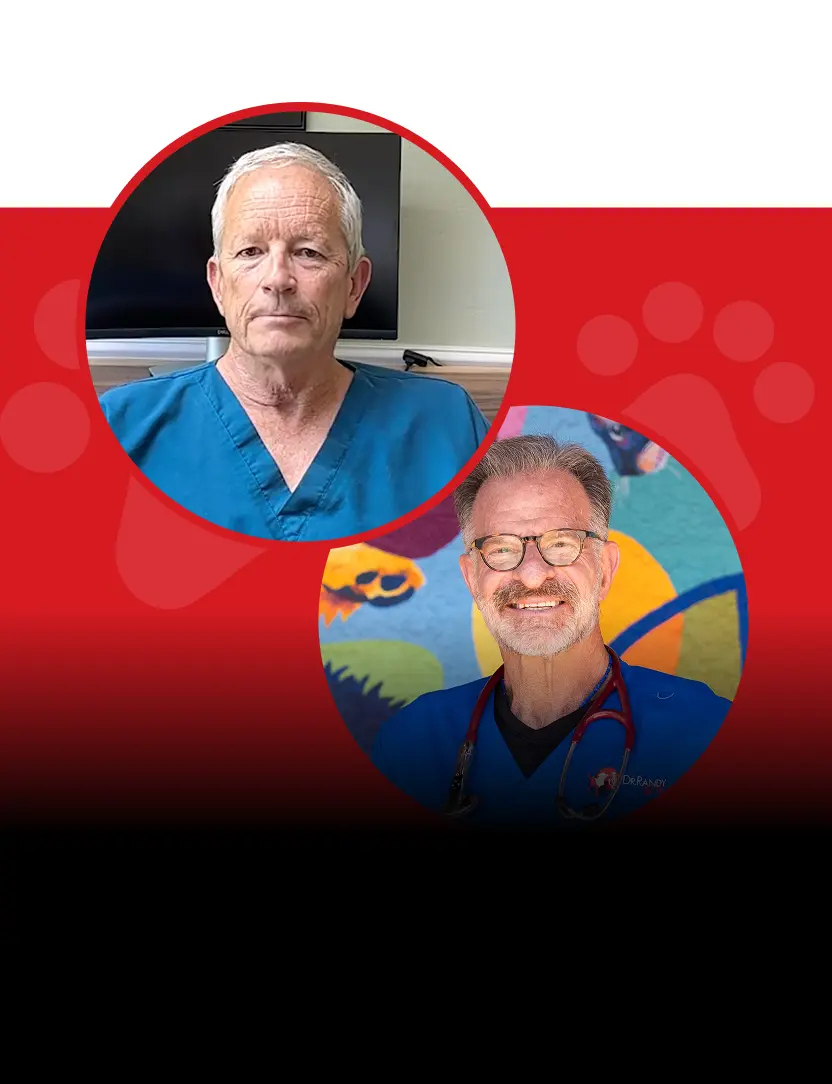
In this episode of ‘Paws, Reflect, and Heal’, Dr. Kevin Toman and I discuss our parallel journeys in veterinary medicine, while exploring the shift from traditional Western medicine to holistic practices, the significance of wellness and longevity in veterinary care, and the evolving role of telemedicine in providing accessible veterinary services. We talk about how it’s necessary to build strong relationships with pet owners and the impact of lifestyle choices on pet health. We also explore the challenges of navigating veterinary prescriptions in a telemedicine context and delve into the promising potential of rapamycin as a longevity drug for pets.
Main Takeaways to Note
– Curcumin is a natural remedy with proven benefits.
– Veterinarians need to focus on long-term wellness rather than just immediate problem-solving.
– Telemedicine is becoming an essential tool in veterinary care.
– Building relationships with pet owners is crucial for effective care.
– The importance of a holistic view of health applies to both pets and their owners. There is a significant need for trust between pet parents and veterinarians.
– Veterinarians should provide written assessments to pet parents after consultations.
– Rapamycin shows promise in extending pet longevity and improving health outcomes.
– Understanding the quality and efficacy of supplements is vital for pet health.
– Passion and dedication in veterinary care can significantly impact pet health.

Summary
In this episode, Mark Drucker and I address common questions from pet owners regarding dog and cat health. We explore issues such as incessant paw licking in dogs, the treatment of hotspots, chronic renal failure in cats, and the serious concern of weight loss in senior cats. Other topics we discuss are critical health issues affecting cats and dogs, focusing on weight loss in cats, the importance of vaccinations, and heartworm prevention. We also touch on the rising concern of heartworm disease in pets, regardless of their living environment, and the necessity of preventive measures.
Takeaways
Incessant paw licking may indicate pain or irritation.
Hotspots in dogs can be caused by allergies or infections.
Weight loss in senior cats can indicate serious health issues.
Behavioral problems can lead to excessive licking in dogs.
Dietary management is important for cats with renal failure.
Hotspots require cleaning and may need veterinary intervention.
Hyperthyroidism can lead to increased metabolism and weight loss.
Many senior cats suffer from osteoarthritis without owner awareness.
Small bowel lymphoma is increasingly diagnosed in cats.
Titer testing can help avoid unnecessary vaccinations.
Heartworm disease is prevalent in many areas, not just the South.

In this episode of ‘Paws, Reflect and Heal’, Dr. Gabe Benitez and I discuss the importance of feline health, covering topics such as cat behavior, the significance of regular veterinary visits, common health issues in cats, and tips for reducing stress during vet visits. We also delve into the importance of health and wellness exams, vaccination versus titer testing, the role of lab work, gastrointestinal issues, diet and nutrition, and cancer awareness in cats. The conversation emphasizes the need for proactive care and understanding of feline health to ensure a long and healthy life for our cats.
Key Takeaways
– Regular vet visits are crucial for early detection of health issues.
– Cats are independent and can often hide their pain.
– Indoor cats generally live longer than outdoor cats.
– Understanding cat behavior can improve their health and well-being.
– Diet plays a significant role in a cat’s health.
– Gastrointestinal issues are common in cats and should be monitored.
– Vaccination and titer testing are both important for disease prevention.
– Lab work can help catch health issues before they become serious.
– Reducing stress during vet visits is essential for cat health.
– Awareness of cancer in cats is increasing, and early detection is key.

Summary
In this episode, I had a conversation with Kay Stewart from the Feed Real Institute and discussed the critical role of nutrition in pet health. We talked about Kay’s journey into the world of pet nutrition, the importance of fresh feeding, and the offerings of the Feed Real Institute for both pet parents and veterinary professionals. Our conversation emphasizes the need for a holistic approach to pet care, integrating fresh foods and understanding the science behind pet nutrition.
Takeaways
– The Feed Real Institute offers courses for pet parents and veterinarians.
– Fresh whole food is essential for pet health.
– Veterinarians often lack time to discuss nutrition with clients.
– Kibble can be enhanced with fresh food toppers.
– Variety in diet is crucial for pets.
– Research supports the benefits of fresh feeding.
– Understanding pet nutrition requires ongoing education.
– Holistic approaches can lead to better health outcomes for pets.
Connect with Kay Stewart and learn more about Feed Real Institute
Website: https://www.feedreal.com
Instagram: @feedrealmovement
Chapters
00:00 Introduction to Pet Nutrition
03:04 Kay Stewart’s Journey to Feed Real Institute
05:52 The Importance of Food in Veterinary Care
08:58 Feed Real Institute’s Offerings for Pet Parents
11:52 Veterinary Education and Fresh Feeding
14:58 Understanding Fresh Feeding and Its Benefits
18:09 The Role of Whole Foods in Pet Health
21:06 Research and Innovations in Pet Nutrition
24:00 Practical Tips for Implementing Fresh Feeding
26:57 Conclusion and Future Directions in Pet Nutrition
Summary
Back for our 3rd episode in the Lifestages series with Drew Webster, CBDC, and Mark Drucker, we discuss the various life stages of dogs, focusing on adulthood and seniorhood. We explore the behavioral changes that occur during these stages, the importance of proactive care, and the significance of understanding a dog’s genetic makeup. Our conversation also delves into dental care for adult dogs and the concept of cooperative care in veterinary practices, emphasizing the need for pet owners to engage their dogs in their own care routines. We highlight the complexities of caring for dogs, particularly as they transition into their senior years, and we also discuss the importance of cooperative care, proactive training, and understanding behavioral changes that may indicate pain or discomfort.
Main Takeaways
– Understanding a dog’s genetic makeup can enhance training.
– Regular veterinary check-ups are crucial during adulthood.
– Creating purpose for adult dogs enhances their well-being.
– Behavior changes in pets can indicate underlying health problems.
Chapters
00:00 Introduction to Life Stages of Dogs
02:52 Understanding Adulthood in Dogs
14:36 Transitioning to Seniorhood
18:34 Dental Care for Adult Dogs
24:34 Cooperative Care and Veterinary Practices
27:19 Cooperative Care and Proactive Training
31:57 Navigating Senior Dog Care
36:54 Understanding Pain and Behavior Changes
40:52 Physical Decline and Nutrition in Seniors
45:21 The Importance of Early Detection and Cancer Awareness
Connect with Drew Webster
Instagram: @doctrdrewlittle / doctrdrewlittle | @behaviorofdogs – / behaviorofdog